


6 Quick Ways ADHD + Autistic Adults and Kids can enjoy the holidays.
6 Tips to Prevent Autistic and ADHD meltdowns during the holidays.
Here comes the holiday season.
Now whether you love them or hate them, this post is for you because I’m here to share some very crucial tips on how to at least hate them a little less.
As Neurodivergent person, I have come to…..well, dread some parts of the holiday season. For Autistic, ADHD, and Highly Sensitive individuals, the sounds, sights and crowds of people can be overwhelming and cause increased stress and panic feelings. I can help with a few quick tips!
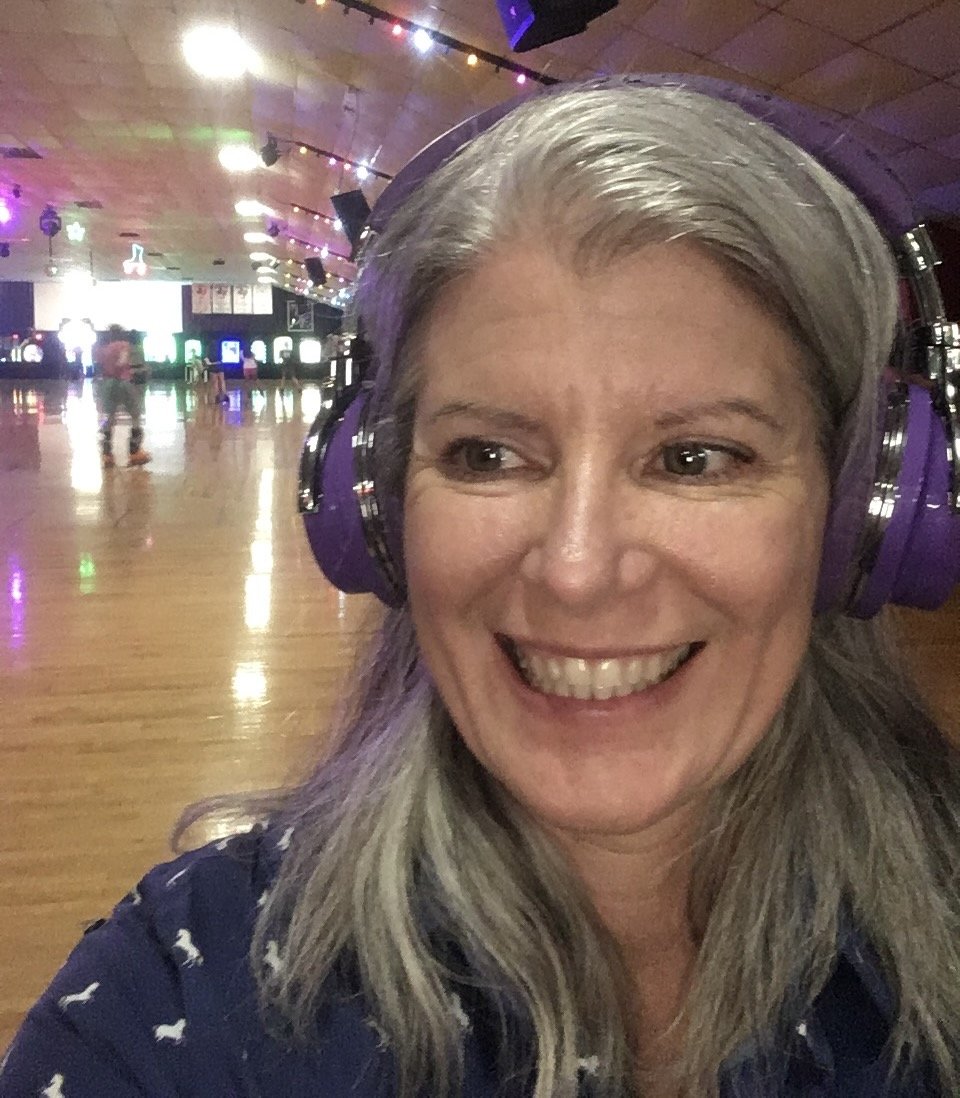
I loved my Cowin E-7 noise cancelling headphones. They lasted about two years before I replaced with Bose Quiet Comfort
The constant holiday music on repeat, the rushing crowds of people, and large amounts of time spent with friends and family. And why is it that my inevitable exposure to “Last Christmas” happens in November? I won’t post the song here. You’re welcome.
For Autistic, ADHD, and HSP individuals the sounds, sights and people can be overwhelming and cause increased stress and panic feelings.

Salvation Army Bell Ringers

Me giving them the side-eye
6 Tips for ADHD and Autistic families to have less overwhelm and more enjoyment during the holidays
With all of these interruptions to my usual peaceful existence, I have created a few tips to survive the next 45 days and I think you might like to give them a try.
Are you ready?
SCHEDULE YOUR HOLIDAY PLANS NOW
Take a look at the next 30-45 days on your calendar, start to think about what activities you need to do and want to do. I like to mark the “must-do” with a red 🔴 emoji and I mark the “might-do” with a green 🟢emoji. Think about these activities and how much energy you need to complete them- this helps with decision fatigue so you don’t get stuck and can move forward. More to come next week on how I decide the amount of “energy” or “spoons” an activity will take.
PRACTICE SAYING ‘NO’
When you find an activity that you don’t have the energy to do or anticipate that you will be heading for burnout- practice saying ‘No”. I use a few of these phrases to ease the discomfort in telling someone no. Here are just a couple to get you started- “I can’t make the party this time. Have a great holiday.”
If you want to keep it simple, “ We can’t make it this year, we have a conflict in our schedule. Sorry to miss!”. More about how to have boundaries in a future blog.USE HEARING PROTECTION
When you decide to go to a party or an event- use hearing protection. I use Ear Peace for a snug fit inside my ear. For a more loose-fit that I find less irritating to my ear hole, I love my Eargasm Musician’s Ear Protection Link to these can be found here.
For over the ear, I love my Bose Quiet Comfort for noise cancelling. Also, don’t tell anyone but the Bose headphones also send a message to people that I’m not available for conversation which is really helpful for me since I have single-sided deafness with my ADHD. I made a Youtube video about how I lost my hearing, check it out here if you want to see me with different headphones in the early days. YOU TUBE LINK
GO SHOPPING ALONE (AKA: LEAVE THE KIDS and PARTNER AT HOME)
Does this sound rude when you read it? If you’re a people-pleasing type then you may worry that telling your loved ones you don’t want their company might hurt their feelings. And yes it might and still it’s important for your sanity to go shopping alone. Here are some go-to phrases you can try out on your friends and family.
“I’m going shopping alone.” “ I’ll bring you back something special.” “ I need to have some time to myself at the store to pick out the perfect x,y,z…”
This is good practice for setting baby boundaries with your closest friends and family. Remember in number 2- practice saying no- you are building on this muscle by declining company to the store.TAKE YOUR EMOTIONAL SUPPORT ANIMAL
Alright so you have an ESA and a kid or partner that loves to go shopping with you. What to do?
Take a minute to ask yourself these questions. 1. Does my ESA help reduce the stress and overwhelm of shopping or outings? 2. Does my child reduce the stress and overwhelm of shopping or outings? 3. Does my BFF or Partner reduce the stress and overwhelm of shopping or outings? Based on your answers you will know what to do next!
TAKE A TAXI / HAVE SOMEONE DRIVE YOU
So you’ve sorted out your hearing protection and who’s joining you for the outing. Next you’ll need to get to your destination. Will you drive yourself, take public transportation or hire a car?
Whatever you decide, make it as stress-free and low-key as possible by planning ahead! Ask a friend or family member to drop you off at the door to do your shopping or attend a party and pick you up at a set time (so you can escape the hullabaloo). Don’t have any friends? No problem! Hire a ride-share service and you’re all good. For more on making and keeping friends as a neurodivergent person, keep watch for an upcoming blog on this important life skill ;)
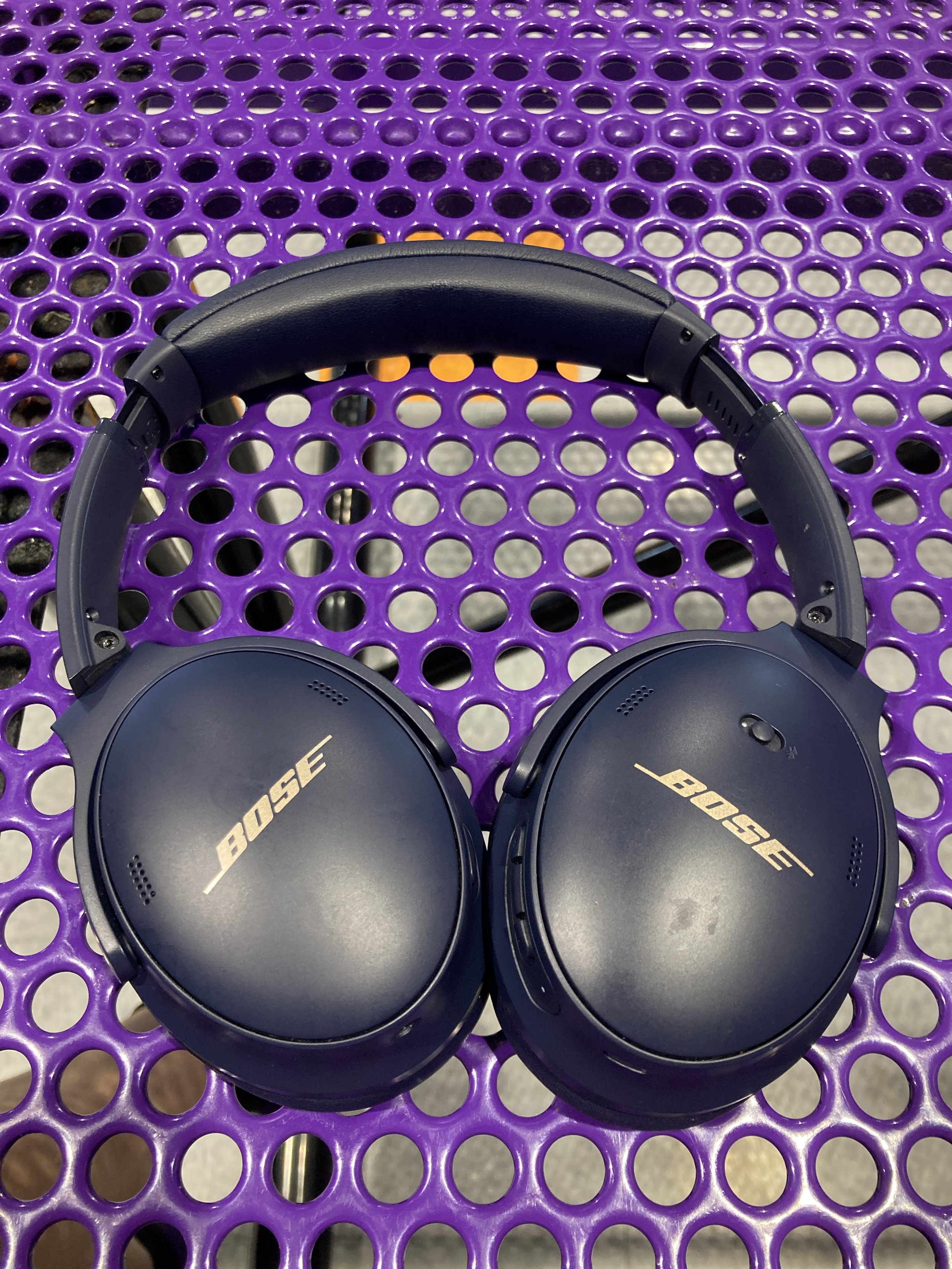
My awesome Bose Quiet Comfort Headphones
Do you want support during the upcoming holiday season? We now offer evening appointments for adult therapy.
Book a free consultation here!
Bye for now!
Donna
*No AI was used to write or edit this blog post.

Living with Single-Sided Deafness and ADHD
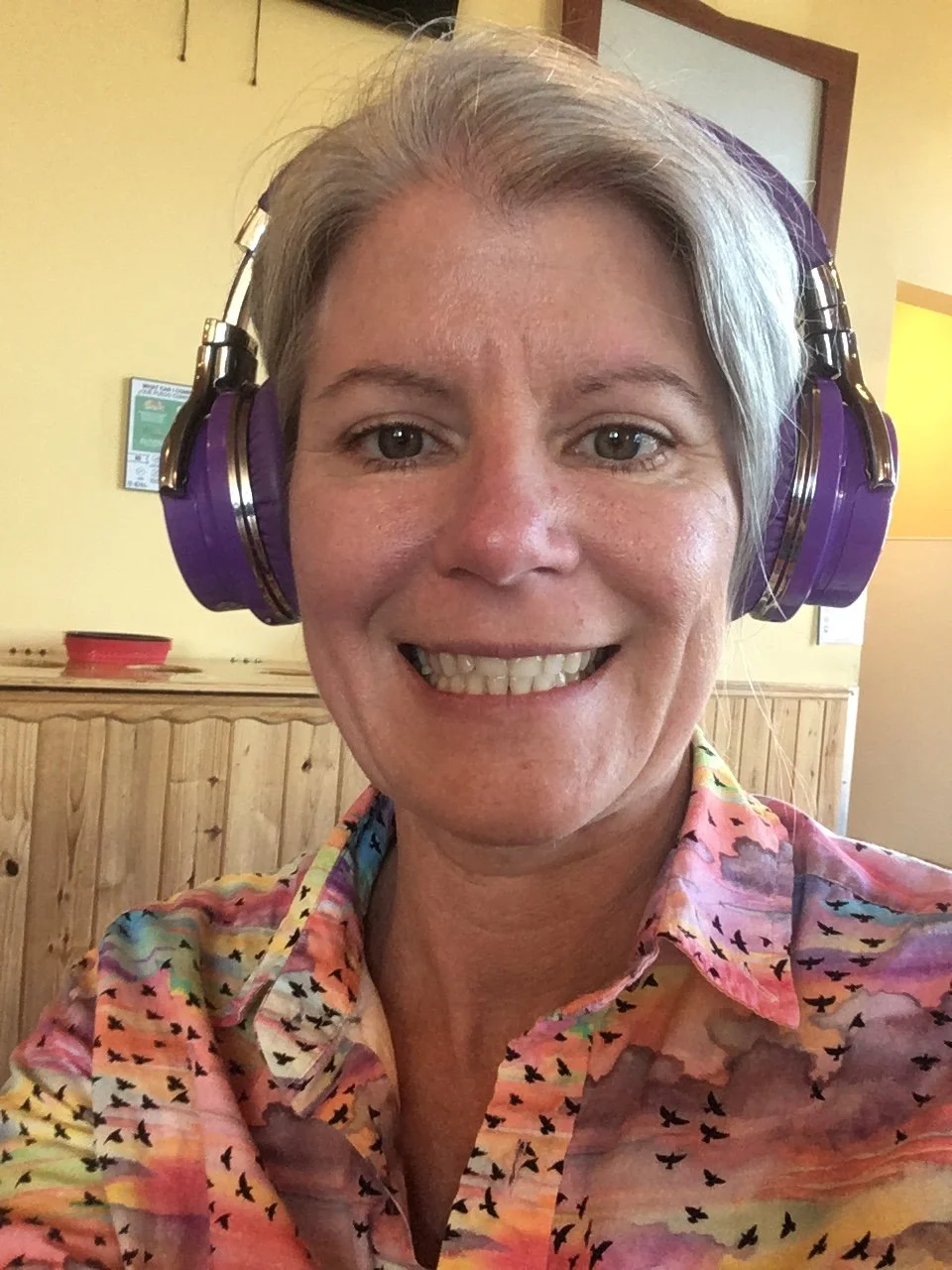
Me wearing my Cowin E-3 Headphones with noise cancelling. These work very well!
Nature is healing
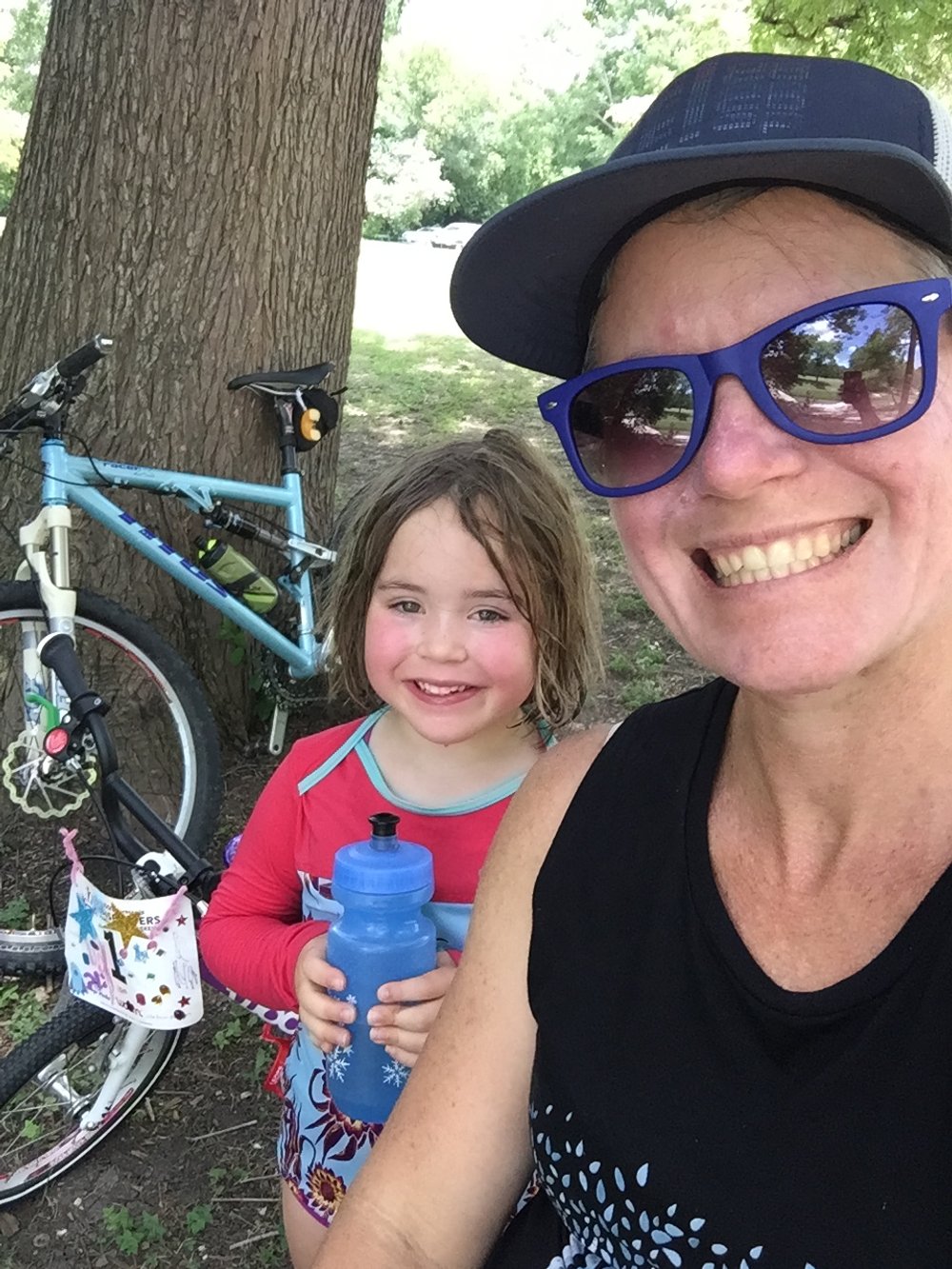
Me and kid riding bikes together before I became deaf in my right ear from brain tumor surgery.
This photo was taken in 2018 before I became deaf in my right ear. How was I to know that just a year later I would be having a surgery to remove a benign brain tumor called an Acoustic Neuroma! My life has changed so much since that day.
The type of tumor I had grows around and into the hearing and balance nerve inside the skull, mine was the size of a lime (3cm) and the neurosurgeon had to cut the balance and hearing nerves in order to remove all of the tumor. I made a YouTube video you can watch that tells the story in more detail.
After I lost my hearing, I noticed that I had a lot of problems with balance and exhaustion. This is a real issue for people that have sudden loss of hearing. The term is called “brain fatigue”. This happens when your brain is healing from an injury, in my case the Acoustic Neuroma removal. Consequently, my brain was working extra hard to determine where sounds were coming from so I could orient myself in space, this is called proprioception. Since I no longer had that balance nerve to help me stay upright, my left side was doing twice the work. I was frequently tired and crabby from too many sounds in my environment. As a way to cope with this overwhelm I turned to common tools used for neurodivergent people (AHDH and Autism) to help with Hyperacusis and Misophonia. The various types of hearing protection can dampen sounds or completely cancel them out depending on your needs. I noticed that my anxiety levels were a big predictor of which headphones I used on a given day.
Ear Protection for sound sensitivity!
I tried several kinds of hearing protection and if you would like to watch my video about each type scroll on down. These have been immensely helpful for me in my work as a Therapist so I can hear my clients during our virtual calls. Next blog I will share how these help me with overwhelm with a loud child in the home :)

Empowering Gen-X Moms and Dads in a Digital World
Me hanging out in nature. I spent a lot of time alone outside as a kid growing up in the 80’s
Hi Everyone,
I’ve been doing a lot of thinking about turning 50 this year and all the feels that go with that. It brought up some fun reflections on what being part of Gen X means to me and how it has shaped me personally and professionally.
I thought about how growing up in the 1980’s has influenced me in many profound ways and thought it was interesting that I haven’t specifically sought out to help my own generation. I was listening to a podcast interview where the therapist shared that she is part of the “sandwich” generation. That term was new to me! We are part of the generation that is both caring for older parents and our own children. All underneath the umbrella of neglecting our own emotional, physical and spiritual health.
Ever feel like that character in the Atari game, “Pitfall”? As if sometimes there are no great options…

Being a Gen X parent comes with its own set of challenges, from juggling family responsibilities to managing careers and personal ambitions. However, one common struggle that many in our generation face is putting their own needs last and falling into the trap of people-pleasing. In this blog post, we'll explore how Cognitive Behavioral Therapy (CBT), Mindfulness, and Dialectical Behavior Therapy (DBT) can empower Gen X moms and dads to prioritize self-care and break free from people-pleasing tendencies.
Understanding the Challenge:
Gen X parents often find themselves constantly striving to meet the needs and expectations of others, whether it's their children, partners, extended family, or colleagues. This relentless need to please others can lead to burnout, stress, and a sense of losing oneself in the process. It’s no wonder we are tired, crabby and doom-scrolling on our phones! We can all learn better ways to cope with these stressors.
Coping Strategies:
CBT: Identify and Challenge Negative Thought Patterns CBT teaches us to recognize and challenge negative thought patterns that fuel people-pleasing behaviors. We can start by identifying the core beliefs that drive their need to please others, such as "I must always be there for everyone," or "If I say no, I'm being selfish." Once these beliefs are identified, CBT techniques can be used to challenge and reframe them into healthier, more balanced perspectives. If you’d like to learn more in depth CBT skills, reach out for a chat with me.
Mindfulness: Cultivate Present-Moment Awareness Mindfulness practices can help Gen X parents cultivate present-moment awareness and become more attuned to their own needs and emotions. Encourage yourself to engage in daily mindfulness activities such as mindful breathing, body scans, or mindful walking. By staying present and mindful, they can make conscious choices that prioritize self-care. Check out my guided breathing exercises here:
DBT: Develop Assertiveness Skills Dialectical Behavior Therapy (DBT) emphasizes the importance of developing assertiveness skills to establish healthy boundaries and communicate effectively. Moms and Dads can benefit from DBT by learning how to say no without guilt, expressing their needs and preferences clearly, and setting realistic expectations for themselves and others. I love working with GenX-ers around boundaries!
Self-Compassion: Practice Kindness Toward Oneself Practice self-compassion by treating yourself with kindness and understanding. Remind yourself daily that it's okay to prioritize your well-being, set limits, and take breaks when needed. Self-compassion can help counteract feelings of guilt or self-criticism associated with prioritizing self-care. In generations before ours, they were encouraged to squash needs and grit through difficulties, so this may feel foreign if you grew up like I did.
Seek Support and Connection Remember to seek support from peers, friends, or a therapist who understands that being GenX brings unique challenges. Connecting with others who share similar experiences can provide validation, empathy, and practical strategies for coping with people-pleasing tendencies.
As Gen X parents we are navigating the complexities of modern-day parenting, caring for aging parents and advancing in our careers, it's crucial for us to prioritize self-care and break the cycle of people-pleasing patterns. By incorporating techniques from Cognitive Behavioral Therapy (CBT), Mindfulness, and Dialectical Behavior Therapy (DBT), we can empower ourselves to set boundaries, practice self-compassion, and cultivate a healthier balance between caring for others and caring for ourselves.
Remember, self-care is not selfish—it's a necessary foundation for overall well-being and resilience.